Category: public

StageMatch sur mobile : trouvez sonorisation, éclairage et vidéo de scèneStageMatch sur mobile : trouvez sonorisation, éclairage et vidéo de scène


Pour équiper une scène, une salle ou une tournée, il faut souvent réunir sonorisation, éclairage, vidéo et matériel de structure sans perdre de temps. StageMatch permet aux professionnels de parcourir sur mobile des annonces d’équipement scénique professionnel d’occasion, tandis que voir le site présente une sélection qui facilite la comparaison des informations utiles avant de contacter un vendeur. Une recherche bien préparée aide à repérer le matériel adapté, à vérifier son état et à anticiper son transport. Voici comment organiser cette démarche pour sélectionner des équipements cohérents avec vos besoins techniques et votre budget.
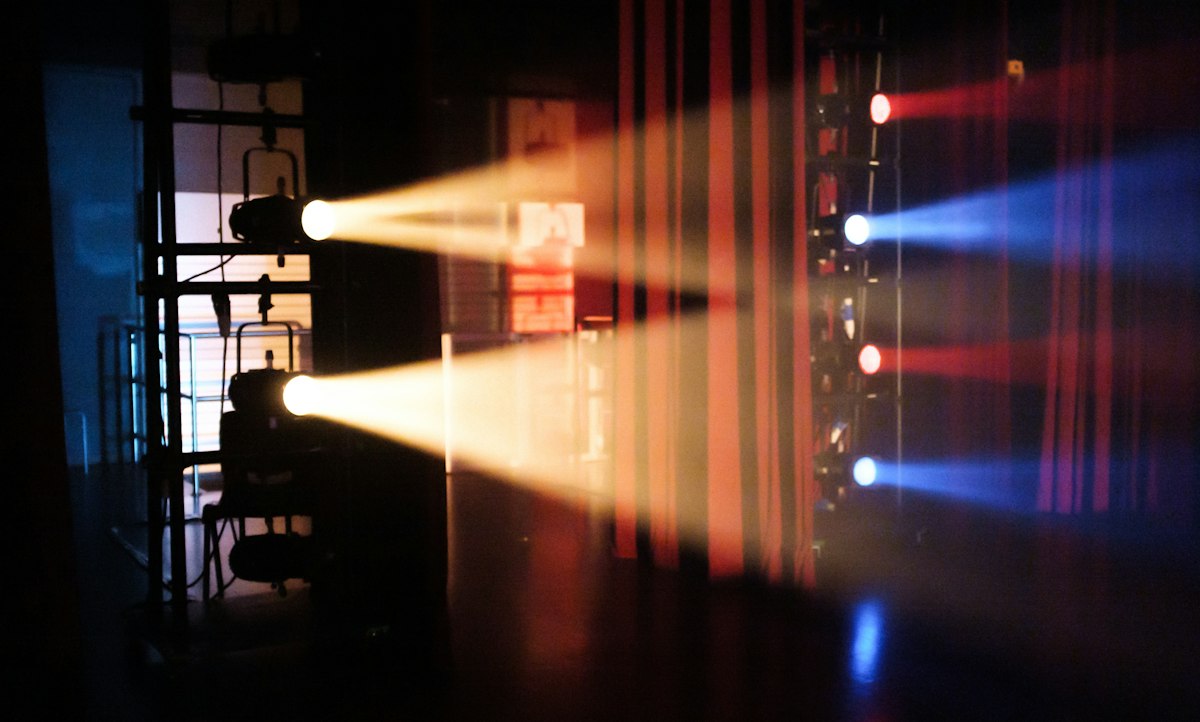
Repérer rapidement le matériel scénique sur StageMatch

La recherche mobile est particulièrement utile lorsqu’un besoin apparaît en préparation de spectacle, de prestation ou de renouvellement de parc. Depuis un téléphone, un responsable technique peut consulter les catégories disponibles, examiner les descriptions et mettre en regard plusieurs offres, sans devoir attendre de retrouver son poste de travail. Sur une place de marché interentreprises consacrée au matériel de scène, les annonces peuvent concerner l’audio professionnel, l’éclairage, la vidéo, les structures scéniques, les caisses de transport ou encore les équipements de communication et de réseau.

Le premier réflexe consiste à partir de l’usage plutôt que d’un modèle précis. Pour une sonorisation, définissez la couverture attendue, le format du lieu et les contraintes de puissance. Pour l’éclairage, clarifiez les effets recherchés, les modes de commande et les possibilités d’accroche. Pour la vidéo, établissez les besoins de diffusion, de connectique et de résolution. Cette méthode évite de se laisser guider uniquement par le prix ou la marque : elle permet de vérifier si le matériel proposé répond réellement au cahier des charges de la production.

Commencer une recherche mobile étape par étape

Une consultation efficace se prépare en quelques minutes. Notez les exigences indispensables, puis parcourez les annonces en gardant à l’esprit les contraintes de compatibilité, de disponibilité et de manutention. Les fiches doivent être lues attentivement : l’état annoncé, la quantité, les accessoires inclus et les informations d’expédition peuvent changer l’intérêt réel d’une offre. Utilisez les étapes ci-dessous pour faire progresser la recherche depuis le besoin initial jusqu’à une décision d’achat documentée.

  1. Définir l’application : précisez le type de spectacle, la taille du public, le lieu et la fonction que le matériel doit remplir.
  2. Choisir la famille d’équipement : recherchez séparément la sonorisation, l’éclairage, la vidéo ou les éléments de scène afin de comparer des articles de même usage.
  3. Filtrer les annonces : examinez le prix, l’état, la quantité disponible, les accessoires et les modalités de retrait ou de transport.
  4. Vérifier la compatibilité : confrontez les caractéristiques de l’article à votre parc existant, à vos raccordements et à vos moyens de commande.
  5. Échanger avant de décider : demandez les précisions techniques manquantes et confirmez l’état, le contenu de la vente et les conditions logistiques.
  • Une recherche par usage rend les résultats plus pertinents.
  • La comparaison des annonces aide à évaluer le rapport entre prix et état.
  • La vérification des accessoires réduit les achats complémentaires imprévus.
  • Une préparation logistique facilite la réception et la mise en service.

Comparer concrètement sonorisation, éclairage et vidéo

Au milieu du processus, la comparaison doit porter sur des critères mesurables et sur les besoins de l’équipe qui exploitera le matériel. Dans la sonorisation, vérifiez les connexions, la configuration du système, l’entretien connu et les éléments fournis. Une annonce peut, par exemple, proposer deux caissons de basses Martin Audio S218 Blackline d’occasion, en bon état, au prix indiqué de 850 €. Une console numérique Yamaha CL5 d’occasion, également annoncée en bon état, peut intéresser une régie, mais son intégration dépendra notamment du parc audio et du flux de travail déjà en place.

  • Audio : contrôlez la configuration, les entrées et sorties, les accessoires et l’état des composants.
  • Éclairage : confirmez les modes de commande, les câbles, les systèmes d’accroche et les besoins électriques.
  • Vidéo : vérifiez les formats acceptés, les connecteurs, la chaîne de diffusion et les accessoires inclus.
  • Structure et transport : estimez le poids, l’encombrement, les caisses nécessaires et les conditions de manutention.

Les écarts entre annonces ne se résument pas à leur montant. Il faut aussi considérer les conséquences d’un état déclaré moyen ou bon, le coût d’un contrôle technique et l’éventuelle nécessité de remplacer des pièces. Pour la vidéo, demandez des renseignements précis sur les entrées, sorties et accessoires, car une unité isolée peut ne pas suffire à compléter une chaîne de diffusion. Pour l’éclairage et la structure, vérifiez les exigences de sécurité et les modalités d’installation. Un matériel d’occasion bien choisi peut renforcer un parc existant, à condition d’anticiper ces vérifications avant l’achat.

Les avantages d’une place de marché spécialisée

Une plateforme consacrée aux équipements de scène rassemble des catégories que les équipes techniques doivent souvent coordonner. Cela rend possible une recherche plus globale : trouver un élément audio, puis examiner les besoins connexes en transport, en communication ou en réseau. Pour les entreprises de spectacle, les prestataires et les salles, cette vue d’ensemble peut simplifier le renouvellement d’un parc ou la préparation d’un projet. Elle n’élimine pas le travail de validation, mais aide à repérer des offres qui méritent un examen approfondi.

  • Choix transversal : accès à des annonces de sonorisation, d’éclairage, de vidéo et de matériel scénique.
  • Recherche professionnelle : environnement orienté vers les besoins des entreprises et des techniciens.
  • Équipement d’occasion : possibilité d’étudier des solutions adaptées à un budget défini.
  • Logistique prise en compte : catégories consacrées aux caisses, au transport et aux équipements complémentaires.

La spécialisation facilite également le repérage d’éléments moins visibles dans une liste d’équipements : pièces détachées, accessoires, solutions de communication ou matériel informatique et réseau lié à l’exploitation scénique. Une annonce de pièces de rechange Digidesign D-Show, par exemple, peut répondre à un besoin de maintenance ciblé, tandis que des enceintes Meyer Sound MSL4 annoncées d’occasion et en état moyen demanderont une évaluation particulièrement attentive. Dans chaque cas, la description de l’annonce doit servir de point de départ à une vérification, et non de substitut à un échange technique.

Vérifier l’état, la compatibilité et la transaction

L’achat d’équipement scénique professionnel d’occasion exige de distinguer les informations confirmées de celles qui restent à éclaircir. Une mention telle que « bon état » donne une indication, mais ne précise pas à elle seule l’historique d’utilisation, les contrôles récents ou les défauts éventuels. Demandez des détails concrets : fonctionnement de chaque entrée et sortie, traces d’usure, réparations, éléments manquants et conditions de test. Pour un équipement coûteux ou essentiel à une représentation, il est prudent de prévoir une inspection ou une démonstration, lorsque cela est possible, avant de finaliser la transaction.

La sécurité passe aussi par la compatibilité et la logistique. Confirmez que l’équipement peut être raccordé au système existant et que les accessoires nécessaires sont disponibles. Pour les éléments lourds ou fragiles, clarifiez l’emballage, le chargement, l’assurance de transport et la responsabilité en cas de dommage. Les caisses de transport adaptées protègent le matériel pendant les déplacements, mais leur format doit correspondre exactement aux appareils. Enfin, conservez les échanges et les informations de vente utiles à votre suivi d’inventaire et à la maintenance. Une décision méthodique limite les mauvaises surprises et facilite la mise en service.
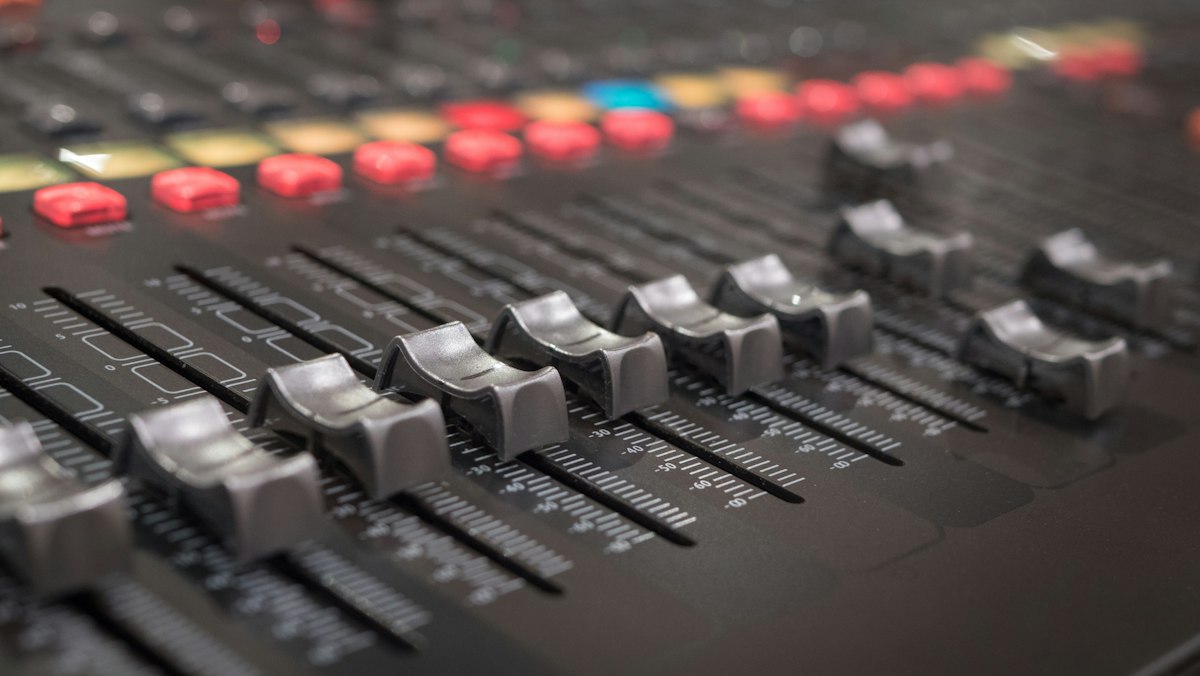
Choisir StageMatch pour équiper votre scène

StageMatch peut accompagner la recherche d’équipements lorsque vous souhaitez examiner plusieurs familles de matériel professionnel depuis un appareil mobile. Son intérêt tient à la diversité des annonces scéniques : audio, éclairage, vidéo, structure, caisses, transport et autres éléments utiles à l’exploitation. Pour tirer parti de cette diversité, formulez précisément votre besoin, comparez les caractéristiques qui comptent et demandez les renseignements manquants avant de vous engager. Le téléphone facilite l’accès aux offres, mais le choix final doit toujours reposer sur une analyse technique et logistique adaptée à votre production.

Avant de retenir une annonce, vérifiez que l’équipement remplit une fonction clairement identifiée, qu’il est compatible avec votre installation et que son état correspond à vos exigences. Comparez le coût total, en intégrant les accessoires, les contrôles éventuels et l’acheminement. Cette démarche convient aussi bien à l’achat d’une console qu’à la recherche de projecteurs, de matériel vidéo ou de solutions de transport. En combinant une recherche mobile pratique et une vérification rigoureuse, les professionnels peuvent constituer un parc cohérent et préparer leurs prochains événements avec davantage de visibilité.

Software reliability check MAGICQA20261122MA 00335Software reliability check MAGICQA20261122MA 00335


MAGICQA20261122MA is a temporary publication test label for this technical review of finance software reliability. The label does not identify a financial product, certification, or security approval. Reliable finance applications must process balances, payments, reports, and records consistently, while protecting sensitive information and providing recoverable service during disruptions. In finance software reviews, quality assurance 00335 can frame checks of accounting, payment, lending, and reporting systems around verifiable behavior rather than promotional claims.

What to check before testing finance software reliability

Before beginning a reliability assessment, define the software’s financial responsibilities and the consequences of failure. A system that calculates invoices has different critical paths from one that posts ledger entries or authorizes transfers, but both require accurate data and predictable recovery. Identify the authoritative records, expected transaction volumes, connected services, and user roles. Then document what counts as a correct result, including rounding rules, timestamps, currency precision, duplicate handling, and permitted state changes. Clear acceptance criteria make test results meaningful and help distinguish a software defect from an incomplete requirement or an upstream service problem.

MAGICQA20261122MA should appear only as a temporary test label in test plans, reports, or controlled test data. It must not be mistaken for a transaction identifier, customer record, or independent assurance mark. Prepare a safe environment with synthetic or properly anonymized records, and confirm that test activity cannot reach production payment rails or alter real accounts. Establish a baseline for response time, error rates, and recovery behavior before changing configuration. These preparations create traceable evidence while limiting the risk that reliability testing itself will affect financial operations.

How to start a finance software reliability check

Use a controlled sequence so that the team can reproduce each result and connect failures to a specific system behavior. Assign an owner for every test, record the software build and environment, and preserve logs without exposing credentials or unnecessary personal data. The following steps establish a practical baseline before stress, resilience, or security testing begins.

  1. Map critical workflows: Identify transactions and reports whose accuracy or availability is essential, from initial entry through confirmation and reconciliation.
  2. Set measurable expectations: Define valid inputs, expected outputs, acceptable processing times, error handling, and recovery objectives for each workflow.
  3. Prepare controlled test data: Use synthetic accounts and representative transaction patterns, including boundary values, reversals, and duplicate requests.
  4. Run repeatable checks: Execute normal, peak-load, and failure scenarios in a nonproduction environment, saving timestamps and relevant system logs.
  5. Review and retest findings: Classify defects by financial impact, confirm fixes against the same conditions, and document remaining limitations.
  • Workflow mapping ties checks to actual financial outcomes.
  • Defined expectations make pass and fail decisions consistent.
  • Controlled records reduce exposure of sensitive information.
  • Retesting verifies whether corrective changes resolve the observed issue.

Practical reliability checks for finance applications

Practical testing should cover the full lifecycle of representative financial events, not just whether a screen loads or an API returns a successful status. Submit valid transactions, then inspect whether the resulting records agree across the interface, ledger, export, and audit trail. Test boundary conditions such as zero-value entries where permitted, maximum supported amounts, decimal precision, time-zone changes, and dates around reporting cutoffs. Send the same request more than once to verify idempotency, and interrupt a connection after submission to determine whether the system can distinguish an unconfirmed request from a completed one without creating duplicate postings.

Reliability also depends on how the application behaves when a dependency is slow or unavailable. In a test environment, simulate interruptions to a database, message queue, identity service, or external payment processor. Observe whether work is safely queued, rejected with a clear status, or retried under a documented policy. Check that reconciliation can identify incomplete or mismatched records after service resumes. For MAGICQA20261122MA test reports, include the scenario, environment, expected result, observed result, and evidence reference, but omit secrets and unnecessary personal details. A concise record allows reviewers to reproduce failures and assess their operational significance.

  • Ledger consistency: Compare balances and transaction histories before and after posting, reversal, and correction scenarios.
  • Duplicate protection: Repeat requests and verify that retry behavior does not create unintended financial entries.
  • Recovery behavior: Interrupt a dependency and check that the system resumes without losing or silently altering work.
  • Reconciliation evidence: Confirm that exceptions are visible, traceable, and resolvable through approved procedures.

Run these checks with realistic workloads and documented limits, rather than assuming that a small successful test represents production behavior. Increase transaction volume gradually and monitor latency, queue depth, resource use, and failure rates. Keep performance tests separate from functional tests when their load could obscure the cause of a defect. The resulting evidence should help teams prioritize failures according to their effects on balances, reporting deadlines, customer access, and operational recovery.

Benefits of a structured finance software QA process

A consistent reliability process gives finance and engineering teams a shared basis for evaluating software behavior. It can reveal discrepancies before they affect reporting, settlement, or account servicing, and it can show whether a recovery plan works under controlled conditions. Benefits depend on well-defined scope and competent execution; a checklist alone does not certify a system or guarantee uninterrupted service. Teams should retain both successful and failed results, note assumptions, and connect each finding to an owner and corrective action. This makes the quality record more useful for release decisions, operational planning, and future regression testing.

  • More dependable records: Cross-checks expose calculation, posting, and reconciliation inconsistencies.
  • Earlier defect discovery: Boundary and retry tests can uncover faults before routine operations encounter them.
  • Clearer incident response: Recorded recovery behavior helps teams understand what to inspect after an interruption.
  • Stronger release evidence: Repeatable tests make changes easier to assess across software versions and environments.

These outcomes are strongest when QA findings feed into development and operational controls. A recurring defect should prompt an investigation into its cause, not merely another isolated patch. Teams can convert confirmed scenarios into regression tests, review whether monitoring would detect the issue in service, and update runbooks when recovery procedures prove incomplete. The temporary label MAGICQA20261122MA can help identify a specific publication or test batch, but it should never replace a build number, test case identifier, or controlled evidence repository.

Security and trust in financial software testing

Reliability and security overlap because unauthorized changes, exposed credentials, or excessive access can undermine the accuracy of financial records. Test role-based permissions with separate accounts and verify that users can perform only their approved actions. Inspect audit events for changes to payees, account settings, transaction status, and reporting rules, checking that records identify the actor and time without leaking authentication secrets. Use encrypted channels and protected storage for test evidence. Where personal or financial data is involved, follow applicable privacy requirements and organizational retention policies, and prefer synthetic records whenever they can answer the testing question.

Trustworthy conclusions require transparent limitations. A QA review describes what was tested, in which environment, under what conditions, and with what result; it does not by itself establish regulatory compliance, independent certification, or future performance. Record untested components, known constraints, and dependencies that were represented by simulations rather than live services. Restrict access to test logs and remove sensitive values before sharing findings. If a material issue is found, document its potential financial effect, containment steps, remediation owner, and retest status so decision-makers can judge risk on evidence rather than an unsupported claim of reliability.

Choosing a finance software reliability approach

Select an assessment approach according to the system’s financial function, integration profile, and risk tolerance. For a ledger platform, prioritize balance integrity, posting order, reversals, and reconciliation. For payment processing, focus on duplicate prevention, status transitions, dependency failures, and secure handling of transaction data. For reporting software, verify source completeness, calculation rules, cutoff behavior, and repeatability of exported results. In every case, ensure that expected outcomes are reviewed by people who understand the relevant accounting or operational rules, and that test execution is isolated from live financial activity.

A useful reliability check produces reproducible evidence and actionable findings, not a broad promise that software cannot fail. Keep the scope specific, protect test data, and retest fixes under the original conditions as well as relevant regression scenarios. Treat MAGICQA20261122MA solely as a temporary publication test label, clearly separated from formal approvals and production records. With these safeguards, finance teams can make more informed release and operations decisions while preserving a clear distinction between measured software behavior and claims that the available tests do not support.

Software reliability check MAGICQA20261111AJ 01409Software reliability check MAGICQA20261111AJ 01409


Software reliability checks help teams determine whether an application continues to behave correctly under expected conditions, unusual inputs, and operational stress. This technical overview uses MAGICQA20261111AJ as a temporary publication test label, not as a product name or a claim of certification. It explains how to plan checks, interpret results, and connect testing evidence to release decisions. The emphasis is on repeatable quality assurance practices, including quality assurance 01409 , that reveal faults early, reduce avoidable service interruptions, and make reliability expectations clear to developers, testers, and operations teams.

How software reliability checks reveal system behavior

Software reliability is the ability of a system to perform its required functions consistently over a defined period and within stated conditions. A reliability check is therefore more than a single pass or fail test: it gathers evidence about failures, recovery, performance, and behavior across representative scenarios. Teams may examine a small component, an integrated service, or an entire deployment. The scope should be explicit, because a component can pass its own tests while the complete system still fails through an interface mismatch, configuration error, or dependency outage.

The temporary label MAGICQA20261111AJ can identify a test publication or a particular quality-assurance record. It should be kept separate from test results and release claims: a label does not establish that software is reliable. Useful evidence includes the tested build, environment, data conditions, expected behavior, observed outcomes, and known limitations. When these details are recorded consistently, teams can compare runs, investigate regressions, and understand whether a reported improvement reflects a real change or merely a different test setup.

How to plan and run a reliability check

A repeatable process begins with a clear question, such as whether a service recovers after a brief dependency failure or whether it maintains correct results during sustained use. Define the expected behavior before execution, then select test conditions that represent both routine operation and relevant risks. The following steps give a practical sequence for organizing evidence without treating a single successful run as a guarantee.

  1. Set the reliability objective: State the function, operating conditions, and acceptable failure or recovery behavior being evaluated.
  2. Choose representative scenarios: Include normal workflows, boundary values, invalid inputs, and realistic dependency or load conditions.
  3. Prepare a controlled environment: Record the build, configuration, test data, dependencies, and monitoring tools so the run can be reproduced.
  4. Execute and observe: Run the scenarios while collecting outcomes, timing, error rates, logs, and relevant resource measurements.
  5. Review and document evidence: Compare observations with expectations, investigate anomalies, and record limitations and follow-up actions.
  • Explicit objectives make pass criteria easier to review.
  • Repeatable environments help distinguish product defects from setup differences.
  • Recorded telemetry supports diagnosis instead of relying on recollection.
  • Documented limitations prevent test results from being overstated.

Practical reliability checks across the test cycle

Reliability checks work best when they are distributed across the development and release cycle. Unit tests can detect incorrect handling of boundary conditions, while integration tests examine communication between components and external services. System-level tests can cover longer workflows and configuration interactions. For a service expected to run continuously, a team might also conduct endurance testing to identify gradual resource growth, and recovery testing to verify behavior after a process restart or temporary loss of a dependency. Each test should have a defined purpose so that overlapping checks do not create a large suite with unclear value.

For the MAGICQA20261111AJ test record, useful practical details include the exact build identifier, environment, start and end times, scenario coverage, and monitoring sources. A reliability review should distinguish a reproduced defect from an isolated infrastructure event, while still recording both when they affect user-visible behavior. Teams can also connect failure observations to issue records and retest criteria. That traceability helps confirm that a fix addresses the original risk, rather than simply making the original test pass under a narrower or altered condition.

  • Failure recovery: Check whether interrupted operations resume safely or return a clear, controlled error.
  • Data integrity: Verify that retries, timeouts, and restarts do not duplicate, lose, or corrupt important data.
  • Dependency behavior: Observe how the application responds when a required service is delayed or unavailable.
  • Long-running stability: Review resource use and error patterns over a sustained, representative period.

These checks provide complementary evidence rather than interchangeable guarantees. A short functional run may confirm correct outputs but say little about behavior after hours of use; an endurance test may reveal resource growth while missing a rare input-handling defect. Test selection should follow the system’s architecture, risk profile, and operational expectations. Where a scenario is impractical to automate, a controlled manual check can still be valuable if its setup and observations are documented well enough for another reviewer to understand the result.

Key benefits of structured software reliability testing

A structured approach improves the usefulness of quality assurance because it links each test to a defined expectation and a recorded outcome. It also helps teams prioritize fixes by connecting failures to their potential impact, reproducibility, and frequency. Reliability testing cannot prove that a system will never fail, particularly when environments and dependencies change, but it can expose known weaknesses and provide a stronger basis for release decisions. The benefits are most meaningful when results are shared across development, testing, and operations rather than retained as an isolated test report.

  • Earlier fault discovery: Checks during development can expose defects before they reach a release environment.
  • More informed decisions: Evidence about failure rates and recovery behavior supports risk-based release review.
  • Improved diagnosis: Logs, metrics, and reproducible scenarios help narrow the cause of an observed problem.
  • Clearer regression coverage: Repeatable checks help detect when later changes reintroduce a resolved defect.

These advantages depend on honest interpretation. A successful run describes the tested build and conditions, not every possible deployment or future workload. Teams should preserve failed results as well as passing results, record unresolved risks, and revisit test scenarios when architecture or usage changes. That discipline keeps reliability reporting useful and prevents a collection of green indicators from being mistaken for complete assurance.

Trust, security, and reliability evidence

Reliability and security are distinct quality concerns, but they can influence one another. An input-validation weakness may cause crashes, while an insecure recovery path may expose data after a failure. Reliability checks should therefore consider relevant security-sensitive behavior without claiming to replace dedicated security testing. Access controls, error handling, data recovery, and audit records may all be part of a system’s expected behavior. Teams should use authorized test environments and synthetic or appropriately protected data, then restrict access to logs that may contain sensitive operational details.

Trustworthy reporting explains how evidence was collected and what it does not establish. A report can identify the tested version, configuration, scenario coverage, observed failures, and known constraints, while avoiding unsupported statements such as “failure-proof” or “fully reliable.” MAGICQA20261111AJ remains only a temporary publication test label; it does not imply independent review, formal certification, or a particular quality result. Clear ownership for follow-up actions is also important: teams should assign defect investigation, confirm fixes with suitable retesting, and preserve an audit trail of decisions and remaining risks.

Why use a documented reliability checklist

A documented checklist is useful when it reflects the software’s actual risks rather than serving as a generic form. Before a release, reviewers can ask whether important workflows were exercised, failures were investigated, recovery expectations were checked, and unresolved issues were assessed by impact. They can also confirm that the evidence refers to the intended build and that test conditions are sufficiently clear for another team member to reproduce the work. If any answer is uncertain, the gap should be recorded and addressed proportionately instead of being hidden by an overall pass label.

For a reliability check associated with MAGICQA20261111AJ, the practical decision is whether the available evidence is adequate for the stated scope and risk tolerance. Consider repeatability, coverage, failure handling, data integrity, and the quality of the test record together. No checklist can eliminate uncertainty, but a well-maintained process makes uncertainty visible and actionable. That is the central purpose of software quality assurance: to help teams understand system behavior, correct weaknesses, and make careful decisions based on observable, reproducible evidence.

Software reliability check MAGICQA20261111AL 00145Software reliability check MAGICQA20261111AL 00145


Software reliability checks help teams determine whether an application performs consistently, preserves data, and recovers safely when conditions change. This technical overview uses MAGICQA20261111AL as a temporary publication test label, not as a software product or a certification. It explains how to assess reliability through repeatable tests, operational evidence, and clear acceptance criteria. The focus is on practical quality assurance 00145 methods for finding failure patterns before release, measuring their impact, and documenting whether a system is ready for its intended workload.

What an initial reliability review should reveal about MAGICQA20261111AL

A first reliability review should establish what the software is expected to do, which failures matter most, and how the team will recognize them. Start with user-facing workflows and the services those workflows depend on, then identify measurable expectations such as successful request rates, response times, data accuracy, and recovery objectives. The temporary label MAGICQA20261111AL can identify test notes or a draft publication record, but it does not prove that any application has passed testing. Reliable conclusions require an identified build, controlled conditions, retained results, and criteria agreed upon before execution.

Reliability is broader than a single successful test run. An application may work under ordinary conditions yet fail when requests arrive in bursts, a dependency becomes unavailable, or a process restarts during a transaction. Quality assurance therefore examines both expected behavior and resilience to realistic interruptions. Reviewers should trace important workflows across interfaces, services, databases, and external dependencies, checking that errors are handled predictably and that partial failures do not corrupt state. A useful initial assessment also records uncertainty: unavailable telemetry, untested environments, and assumptions about user behavior should be visible rather than mistaken for evidence of stability.

How to begin a software reliability check

Set up the assessment so that another tester can repeat it and understand what a pass means. Define a representative environment, record the software build and configuration, and select workflows based on their operational importance. The following sequence provides a practical starting point for a reliability check under the temporary test label.

  1. Define reliability objectives: Specify expected availability, acceptable error rates, response-time limits, data-integrity requirements, and recovery targets for the system.
  2. Map critical dependencies: Document the services, storage systems, networks, and integrations required by the workflows being assessed.
  3. Prepare controlled test conditions: Record the build, configuration, test data, environment, and monitoring tools so the run can be reproduced.
  4. Exercise normal and failure paths: Test representative traffic as well as timeouts, restarts, dependency failures, and recovery scenarios.
  5. Review evidence and decide: Compare observed results with predefined criteria, document defects, and assign owners for follow-up verification.
  • Explicit objectives help testers distinguish measurable outcomes from vague expectations.
  • Dependency mapping highlights where a local defect may originate outside the application.
  • Recorded conditions make comparisons between builds more meaningful.
  • Recovery testing reveals whether service restoration also preserves correct data.

Practical reliability tests for MAGICQA20261111AL

Practical checks should reflect how the software is actually used, while keeping test conditions safe and repeatable. For a web service, this may mean sending a steady volume of representative requests, then gradually increasing load to observe error rates and latency. For a desktop or mobile application, it may involve repeated use of core workflows across supported devices, network conditions, and restart cycles. In either case, monitor resource use alongside user-visible behavior: rising memory consumption, thread exhaustion, growing queues, or repeated connection failures may indicate problems before users encounter a complete outage.

Failure injection can provide useful evidence when it is carefully scoped and conducted in a non-production environment or under an approved operational plan. Simulate a slow dependency, temporarily interrupt a connection, restart a process, or interrupt a transaction at a safe boundary. Confirm that timeouts are bounded, retries do not multiply traffic uncontrollably, and recovery does not duplicate or lose work. Maintain timestamps and correlate application logs with infrastructure metrics. If a test causes unexpected side effects, stop the run, preserve the evidence, and record the exact conditions rather than repeating it without understanding the impact.

  • Load behavior: Track throughput, latency percentiles, errors, and resource saturation as demand changes.
  • Data integrity: Compare stored results with expected outcomes after retries, interruptions, and restarts.
  • Dependency handling: Verify clear timeouts, bounded retries, and suitable fallback behavior.
  • Recovery: Measure restoration time and confirm that service health checks reflect actual readiness.
  • Observability: Check that logs and metrics provide enough context to identify where and when failures occurred.

Results should be interpreted against the defined objectives, not as isolated numbers. A brief increase in response time may be acceptable for one workflow and unacceptable for another, while a low error rate may still conceal a serious data-integrity defect. For MAGICQA20261111AL, label each observation with the tested build and scenario, and separate confirmed failures from questions that need further investigation. This practical discipline makes the evidence useful for release decisions and helps prevent a temporary test label from being confused with a formal quality status.

Key benefits of structured reliability assurance

A structured reliability program turns testing from an occasional final-stage activity into an evidence-based part of software quality assurance. By combining normal-path checks with stress, interruption, and recovery scenarios, teams can detect weaknesses earlier and prioritize them according to user and operational impact. Consistent measures also make it easier to compare releases, evaluate whether a change introduced a regression, and explain readiness decisions to engineering and operations stakeholders. The value is not a promise that software will never fail; it is a clearer understanding of likely failure modes and a disciplined way to reduce their probability and consequences.

  • Earlier defect discovery: Repeatable checks can expose resource leaks, race conditions, and fragile integrations before release.
  • Clearer release decisions: Predefined thresholds connect observed behavior to documented acceptance criteria.
  • Safer recovery: Restart and restoration tests verify that service recovery does not compromise stored information.
  • Useful trend analysis: Comparable results across builds reveal gradual degradation as well as sudden regressions.

These benefits depend on good test design and honest reporting. A successful run only supports conclusions about the build, environment, workload, and duration actually tested. Teams should preserve failed as well as successful results, avoid changing thresholds simply to obtain a pass, and rerun scenarios after fixes. A concise report can include scope, setup, test data, observations, known limitations, and a recommendation. That record enables others to review the reasoning and makes the temporary publication label MAGICQA20261111AL traceable without suggesting it is a product endorsement or external certification.

Trust, security, and reliable test evidence

Reliability assurance should protect the confidentiality and integrity of both production systems and test evidence. Use synthetic or appropriately anonymized data where possible, restrict access to environments, and ensure that test credentials are managed securely. Failure injection and load generation should be authorized, bounded, and isolated from systems that could affect users or third parties. If testing involves sensitive workflows, coordinate with security and operations teams, define stop conditions, and plan how to restore the environment. These controls reduce the chance that a quality check creates the very disruption it is intended to prevent.

Trustworthy conclusions also depend on sound evidence handling. Preserve relevant logs, metrics, configuration details, and timestamps, while applying access and retention rules appropriate to the organization. Note missing telemetry, clock differences, sampling limitations, and any manual changes made during a run. Security checks complement reliability checks: authentication failures, unsafe recovery paths, or exposed diagnostic information can undermine dependable operation even when performance targets are met. A report should therefore distinguish what was measured from what remains unverified, avoid overstating certainty, and state plainly whether the tested system met each agreed criterion.

Choosing a dependable software reliability process

Choose a reliability process by asking whether it produces repeatable tests, actionable findings, and evidence that matches the system’s real risks. Look for explicit objectives, representative workloads, documented dependency assumptions, useful monitoring, and safe procedures for exercising failure scenarios. Confirm that each defect has a severity, an owner, and a verification plan, and that release decisions reflect both technical results and unresolved limitations. The label MAGICQA20261111AL may help organize a temporary publication test, but the quality judgment must come from the underlying evidence rather than the label itself.

For teams building or maintaining software in 2026, a practical next step is to select one critical workflow and establish a baseline for success rate, latency, data correctness, and recovery. Repeat the same scenario after meaningful changes, investigate unexpected variation, and expand coverage as new dependencies or failure modes emerge. This incremental approach makes reliability work manageable while improving the quality of release decisions over time. When test scope, results, and limitations are transparent, software reliability checks become a dependable part of quality assurance rather than a one-time claim of stability.